
Coverage tells you how you showed up. It cannot tell you what anyone now thinks. CARMA pairs media analysis with representative audience research, run by our own insights team, so you can finally see both.
Trusted by 3,500 organisations in 50 countries













The media is a medium. Measuring it tells you where your message landed, in what tone, and against which competitors.
That is worth knowing. It is not the same as knowing whether your audience saw the message, believed it, or acted on it.
The argument is not new. One of the earliest discussions of PR measurement, published in Public Opinion Quarterly in 1944, held that effectiveness should be judged by how a message lands with its target audience rather than by how it appears in the press. The AMEC framework has made a version of the same case for years. Most communications programmes still stop at the coverage.

“It’s important to measure how you land. It’s important to measure your share of voice, but it’s also equally important to take it a step farther.”
Maria Talakina, Insights Director, CARMA
Quantitative surveys, designed and run by CARMA’s in-house insights team, delivered inside the reporting you already receive.
How much do they know
How much does your audience actually know about you, and did your campaign move that number?
What do they believe
What do they believe about you, how strongly, and why?
What will they do
How likely are they to buy, invest, apply, advocate, or switch?
Why Both
Measure the media and the audience together and you can see where the two agree and where they part company. Everyone in your sector chases the same outlets and the same journalists. What separates you is whether the message actually resonated.
Social listening is not a substitute
Social platforms reward the extremes. Delighted people post, furious people post, and the much larger group in the middle stays quiet. Turn to social listening during a crisis and you will find more of the negativity you were already worried about, which confirms the fear without ever testing it.
A representative sample is a reality check
A spike in negative coverage feels enormous from the inside, and stakeholders react accordingly. Sometimes the alarm is justified. Often it is not, and asking your audience directly is the only way to know which situation you are in.
The reverse is also true
Audiences carry concerns you are not addressing, and no amount of coverage analysis will surface them. You have to ask.
How it Works
Your personal AI analyst, working around the clock.
Audience research has a reputation for being slow and expensive. That reputation is out of date.Surveys once meant knocking on doors and ringing people during the dinner hour. Today a focused study is a matter of days, and the discipline is to keep it focused: one clear question, asked of the right people, at the time the decision is being made.
“Market research is actually not a scary instrument. It’s not an expensive instrument.”
Maria Talakina, Insights Director
A straightforward study fields and reports in days, fast enough to inform a decision you are actually facing rather than the one you faced last quarter.
We scope the study to the question it answers, not the other way around. A useful survey can be seven questions rather than seventy.
Begin in a market you understand well, so you can judge for yourself whether the results ring true, then widen from there.
Results come back alongside your media analysis, in the reporting you already use, with a recommendation attached.
A recent CARMA survey was tied to a Netflix series that featured a country’s landscape and fed into its national branding. Seven questions, fielded in two days: had viewers seen the show, had they noticed the country, and were they now more likely to visit. Read alongside the coverage of the show, those answers told a fuller story than either source could on its own.
The global story of AI
Analysis of 12,000 articles from 500 tier-one outlets across 37 markets, paired with survey research among 6,300 respondents in 19 markets. The gaps between what the media said and what the public believed are the finding.
Global automotive series
Coverage analysis of Chinese car brands paired with buyer surveys across seven markets. The coverage reads one way. Buyers read another, and the gap varies sharply by market.
A conversation with Maria Talakina
Our Insights Director on the gap between coverage and opinion, why social listening will not close it, and how to start small.
Your Insights Team
Research at CARMA is designed and run by named people who will still be on the call when the results come back.
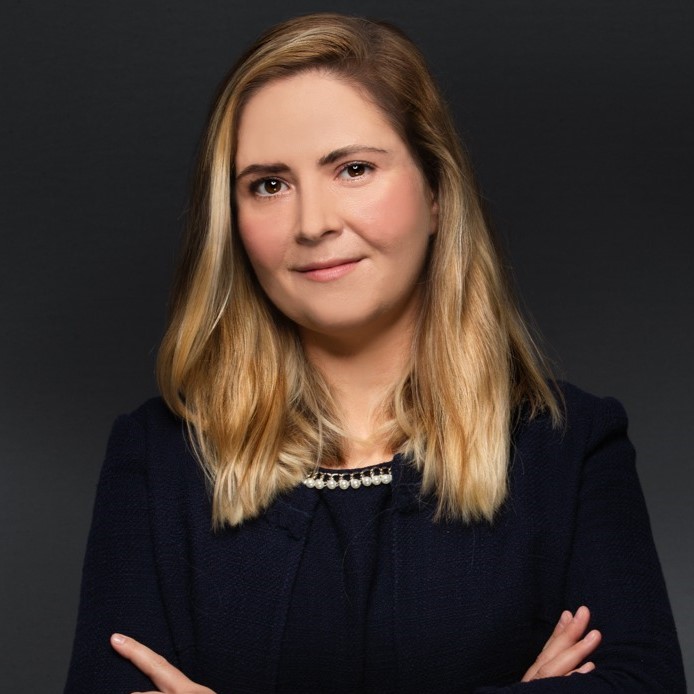
Maria Talakina
Insights Director
Measurement frameworks and integrated research across more than 35 markets.
Mohammed Al-Shawwa
Principal Insights Consultant
Integrating media, audience, and behavioural data into strategy clients can act on.
Aman Jarral
Insights Manager
Multi-market research across sport, culture, and consumer sectors.
Our coverage comes from our own teams and correspondents in market — not a flimsy patchwork of third-party vendors. That local presence is how we capture the print, broadcast, and regional coverage others miss.
23
offices worldwide
40
countries with correspondents
700+
monitoring, insight & AI specialists
105+
languages of media coverage
Tell us the decision you are trying to make, and we will tell you what it would take to answer it.